
UNM’s Arita Porcelain Studio honors process and history
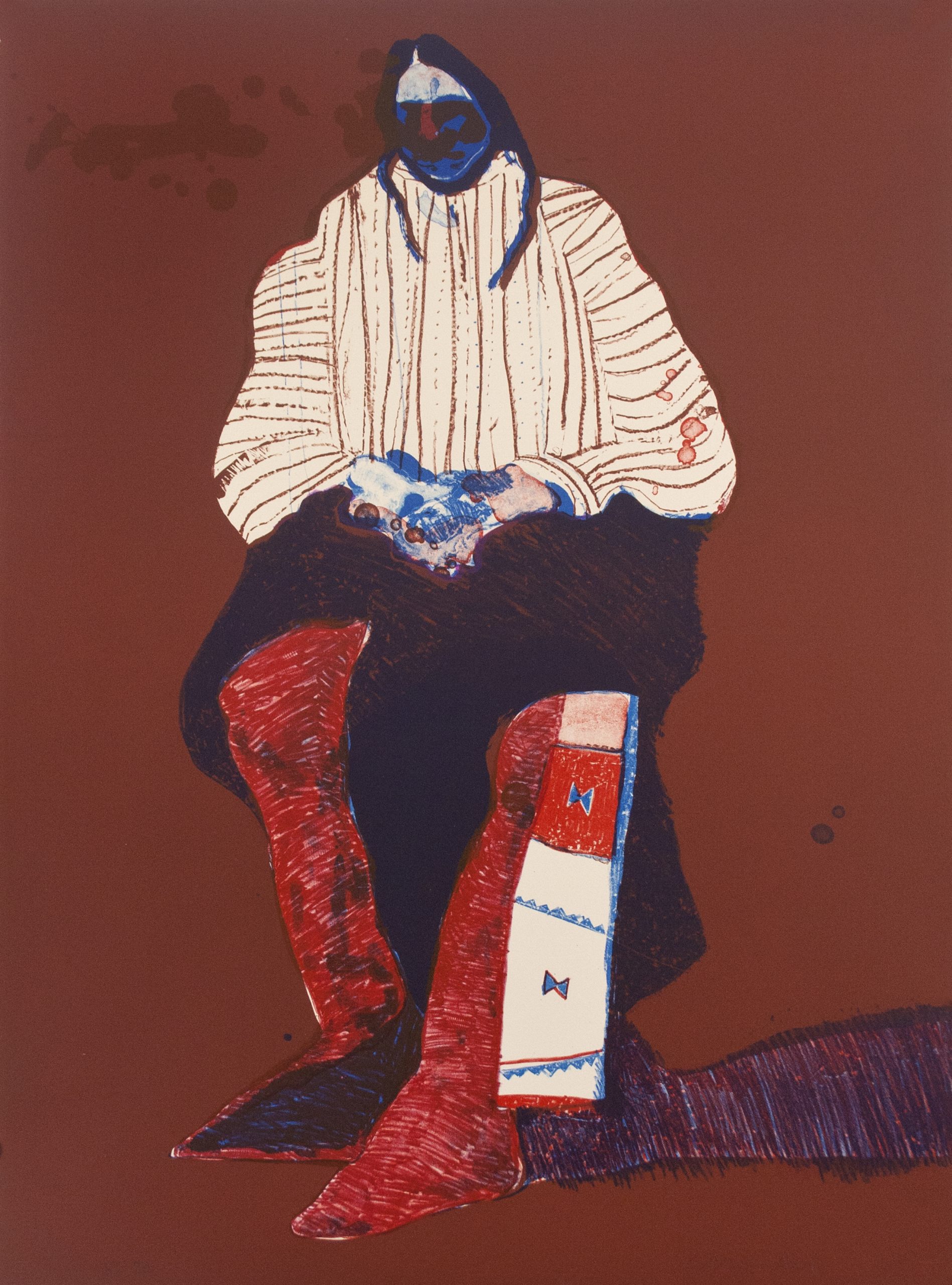
Students at the Arita Porcelain Studio, located in the Art Annex at the University of New Mexico, are unique in their study of the traditional 400-year-old Japanese art of Arita porcelain; UNM is the only university in the United States with faculty authorized to instruct in this artform outside of Japan. Arita porcelain is moreso about the practice and tradition that goes into the process rather than the final product, according to Kathy Cyman, the professor of practice who leads the program.
Arita porcelain is a practice out of Arita, Japan, a town in the Saga prefecture, where Izumiyama Kaolin Quarry was founded, the first source in Japan for the raw material that goes into making porcelain clay.
The program has existed at the University of New Mexico for 43 years, thanks to Manji Inoue, a sensei in Arita porcelain who first taught Kenneth Beittel, a professor from Penn State, the art of Arita porcelain. Beittel’s student Jim Subrek, who also studied under Inoue, taught the art at UNM, where Cyman was introduced to it in 1988. This legacy denotes the tradition of Arita porcelain, which, according to Cyman, is passed down because people are called to the art.
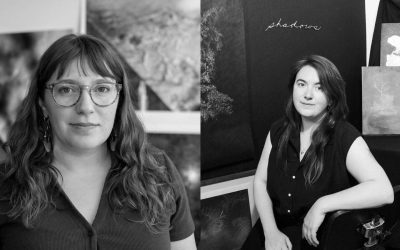
MFA Photography Alumni, Anna Rotty and Brianna Tadeo, Selected for “FORECAST 2025” at SF Camerawork
The Department of Art is thrilled to congratulate MFA Photography alumni Anna Rotty and Brianna Tadeo on the selection of their work for “FORECAST 2025” at SF Camerawork!
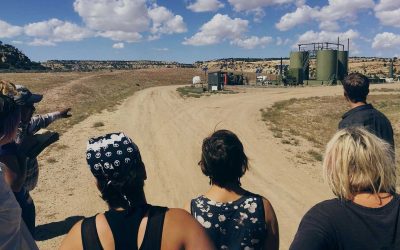
What the land knows: the Radical Art ▽ Ecology Lab (RAVEL) in and around Los Alamos
The UNM Department of Art’s RAVEL Lab was featured in a recent e-flux journal article by Brian Karl. Published on June 13, 2025, as part of e-flux Education’s mid-June focus on U.S. institutions across the South and Southwest, the feature spotlights the RAVEL Lab within Art & Ecology program at The University of New Mexico.
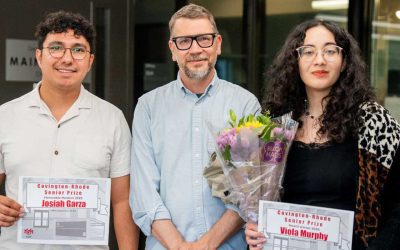
Covington-Rhode Senior Prize Winners: Viola Murphy and Josiah Garza
The UNM Department of Art is proud to announce the recipients of the 2025 Covington-Rhode Senior Prize.